Skip to content
Pricing
Garbage truck operating on an urban waste collection route

AI-powered waste and fleet operations platform

The operating system built for waste. Hauling, optimized.

A configurable platform that brings AI-assisted routing, live fleet context, predictive fill, SLA evidence, billing, and customer portals into one operating workflow. Exact modules, providers, capacity, and availability are confirmed in writing.

Reviewable
Constraint-aware route plans
24 / 48 / 72h
Evidence-bounded fill forecasts
Provider-gated
Truck-location freshness
99.9%
Availability target

Outcome figures are modeled, representative targets. How these figures are calculated

HaultroCommand center · live dispatchRepresentative UILiveLive
Today · Albuquerque MetroLive operations board
Active trucks18+3 ready
Stops today64291 left
On-time96.4%+4.1 pts
At-risk stops4needs review
RouteDriverZoneStopsETAStatus
R-07N. AlvarezNE district11/142:18 PMOn time
R-12M. ReedIndustrial4/114:08 PMSLA risk
R-03K. PatelDowntown9/173:41 PMOn time
R-21T. BrooksRoll-off swaps2/65:02 PMEn route

Haultro by the numbers.

27+
Product modules
150+
Internal platform endpoints
16
Registered AI handlers
25 to 50,000+
Designed bin range
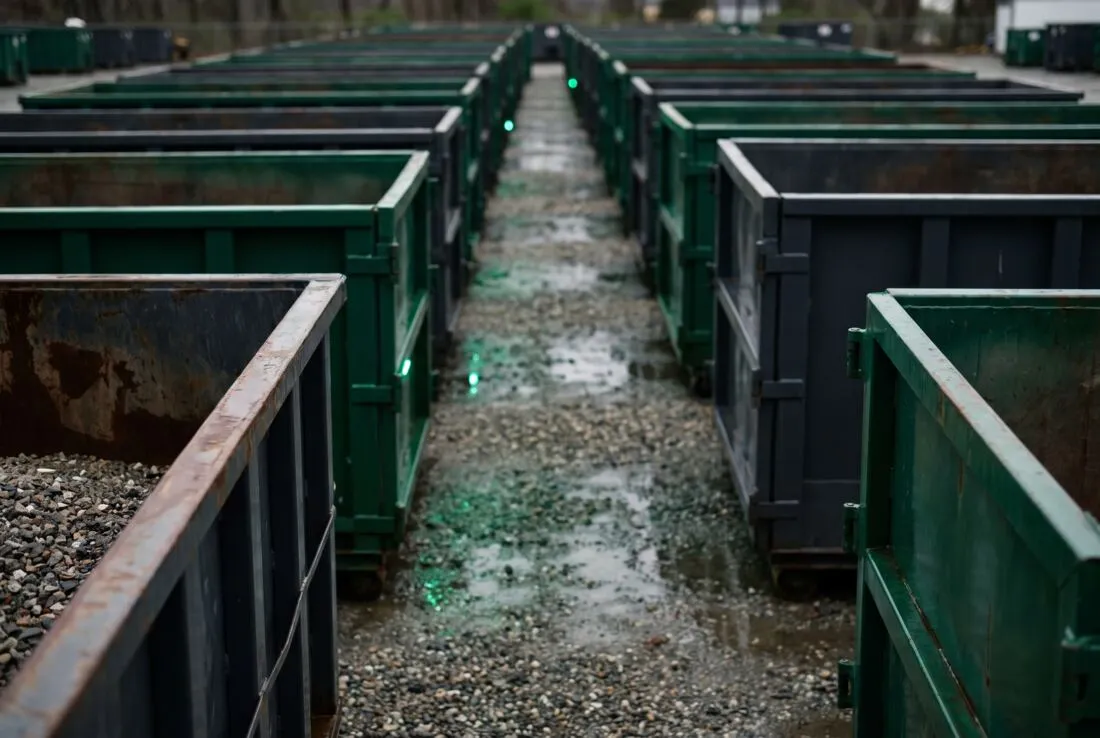
Container yard with waste assets for Haultro buyer context

Buyer clarity

Answer the questions buyers ask before they book a demo.

Haultro is more than a feature list: it is an operating system, a workflow, a set of real roles, and a set of measurable problems it is built to fix. Here is each, in plain terms.

1-10 trucks

SMB operator

Move dispatch, proof, and billing into one reviewed workflow before deciding whether sensors fit the operation.

10-50 trucks

Growth-stage fleet

Predictive maintenance, financial analytics, live dispatch, and the Trunnion Intelligence Engine.

Multi-location

Regional or franchise network

Multi-tenant admin, Portfolio Intelligence, and standardized workflows across locations.

What is Haultro?

A waste and fleet operating system that connects intake, dispatch, routes, trucks, containers, drivers, customers, billing, and leadership into one live record.

Proof
27+ modules, 150+ internal platform endpoints, 9+ scheduled jobs, WebSocket live events, and one order-to-cash workflow.
Buyer takeaway
The buyer sees a system that runs the operation, not another standalone dispatch board.

Platform architecture

Hardware signal. Operating system. AI command center.

Haultro is not a generic field-service wrapper. The platform is designed as three connected layers: live signal from the physical operation, one order-to-cash workflow, and scoped AI agents embedded where decisions happen.

Hardware layer

Trucks, bins, containers, and disposal tickets become attributed operational records.

Supported sensors, fleet-position providers, driver devices, ticket entry, photos, and telematics can feed the platform through configured connections and reviewed workflows; freshness remains source-dependent.

Source-attributed fill readingsProvider-dependent fleet positionsRecorded custody changesProtected photo evidence

Platform layer

One operating system for the waste lifecycle.

Intake, quoting, dispatch, route execution, proof, verification, billing, and retention share one data model, so the operation stops re-keying work between tools.

27+ modules150+ internal platform endpoints9+ scheduled jobsWebSocket live events

AI engine

Scoped intelligence inside every role and workflow.

The Trunnion Intelligence Engine predicts, recommends, drafts, and acts inside guardrails, with every autonomous action logged and overridable.

16 registered agentsAssistCopilotBounded agent actions
Waste operations support team coordinating service, billing, and dispatch issues
Operating failure points6

Dispatch, intake, driver proof, SLA, billing, and portfolio control are where waste operations leak time and margin.

What it is made to solve

Replace operational failure points with automated control.

Every Haultro capability maps to a real operational failure, the control that prevents it, and the record that proves the work happened.

01The day starts in a spreadsheet.

Before: Dispatchers hand-sequence routes, guess at capacity, and call drivers when one job changes.

Haultro: AI builds and resequences routes against fill, time windows, traffic, capacity, landfill cutoffs, and driver availability.

Draft to Scheduled to Pushed to In Progress to Completed route lifecycle.
02The phone is the real intake system.

Before: Calls, voicemails, SMS, web requests, and after-hours bookings live outside the platform.

Haultro: The AI voice and intake layer qualifies, quotes, books, logs, recovers missed calls, and escalates when needed.

Twilio call control, Scribe realtime transcription, ElevenLabs branded voice, and Haultro tool calls.
03Drivers capture too little proof.

Before: Blocked access, contamination, wrong bins, and service notes show up late or not at all.

Haultro: Driver app and in-cab voice capture photos, weights, exception notes, proof of service, and completion events in the moment.

Hands-free logging, Vision proof, contamination checks, and guided exceptions.
04Commercial SLAs are discovered after they break.

Before: Credits, missed pickups, and customer emails happen after the damage is done.

Haultro: SLA rules check every 15 minutes, anomalies are correlated, and escalation or credit workflows open automatically.

Four-category anomaly detection, post-service fill, and breach attribution.
05Billing lags behind the truck.

Before: Tickets, weights, credits, and completed work get re-keyed days later, which leaks revenue.

Haultro: Verified service becomes invoice-ready, with Stripe Connect, autopay, payment links, credits, dunning, and reconciliation.

Service-confirmed, duplicate-invoice, and credit-applied checks before invoice send.
06Leadership has no portfolio picture.

Before: Sites operate differently, performance is compared manually, and best practices stay local.

Haultro: Portfolio Intelligence benchmarks orgs, flags outliers, rolls up risk, and turns analytics into action.

Multi-tenant admin, audit logs, per-org LLM settings, and cross-org reporting.

Why Haultro

Why waste operators choose Haultro.

Waste-native workflows from the first screen, ROI before you buy a single sensor, full smart-waste capability when you are ready, SLA protection on every commercial contract, and one platform that scales from a single truck to a regional fleet.

Review the evidence
01

Built for waste, not generic field service

AI routing for bins and trucks, SLA tracking, driver accountability, bin visibility, and commercial reporting all assume a waste operation from the first screen.

02

Software-first adoption without sensors

Operators can start with dispatch, route planning, SLA monitoring, proof, billing, and driver accountability before evaluating smart-bin hardware.

03

Full smart-waste capability when ready

The data model accepts supported sensor, GPS, weight, and photo evidence when the required providers, devices, scopes, and acceptance checks are configured.

04

Protect every commercial contract

SLA rules are checked every 15 minutes, breach risk is surfaced before it becomes a penalty, and credits can flow into billing with evidence attached.

05

Scales from 1 truck to 50+

SMB operators, growth-stage fleets, franchise networks, and regional companies use the same spine, with portfolio controls activated as they grow.

How Haultro works

The 8-stage operating spine.

Every role and AI assist point plugs into the same lifecycle, from capturing demand through getting paid and expanding the account.

Stage 01Scoped, role-owned AI workflow

Intake

Calls, web, SMS, portal requests, and recurring demand become structured jobs.

OwnerCSR / Intake
ControlServiceable-zone and consent check before booking.
AI assistAI phone, web-chat, SMS, missed-call recovery, and lead qualification.
CSR / Intake -> Dispatcher

Booked job, price band, serviceable-zone check, consent, and urgency.

Dispatcher -> Field Driver

Optimized route, stop sequence, truck assignment, SLA windows, and proof requirements.

Field Driver -> Operations

Completion state, photos, weight, exception notes, location evidence, and post-service fill.

Operations -> Billing / AR

Verified service, credits, SLA evidence, duplicate-invoice check, and billable lines.

Billing / AR -> Sales / Account

Payment history, client health, margin, churn risk, and expansion opportunities.

16 registered AI agents

Not one chatbot. Scoped AI at every stage.

Haultro registers 16 executable handlers across department agents, aggregators, and executives. The handler contracts carry role, scope, guardrail, and audit boundaries; scheduled LLM work stays disabled until an approved provider is configured, while human approval and audit controls keep automated actions bounded.

16 registered agentsHuman approval pathsAudited actions
Explore the AI engine
Stage 01IntakeScoped workflow
Stage 02QuoteScoped workflow
Stage 03DispatchScoped workflow
Stage 04RouteScoped workflow
Stage 05ServiceScoped workflow
Stage 06VerifyScoped workflow
Stage 07BillScoped workflow
Stage 08RetainScoped workflow
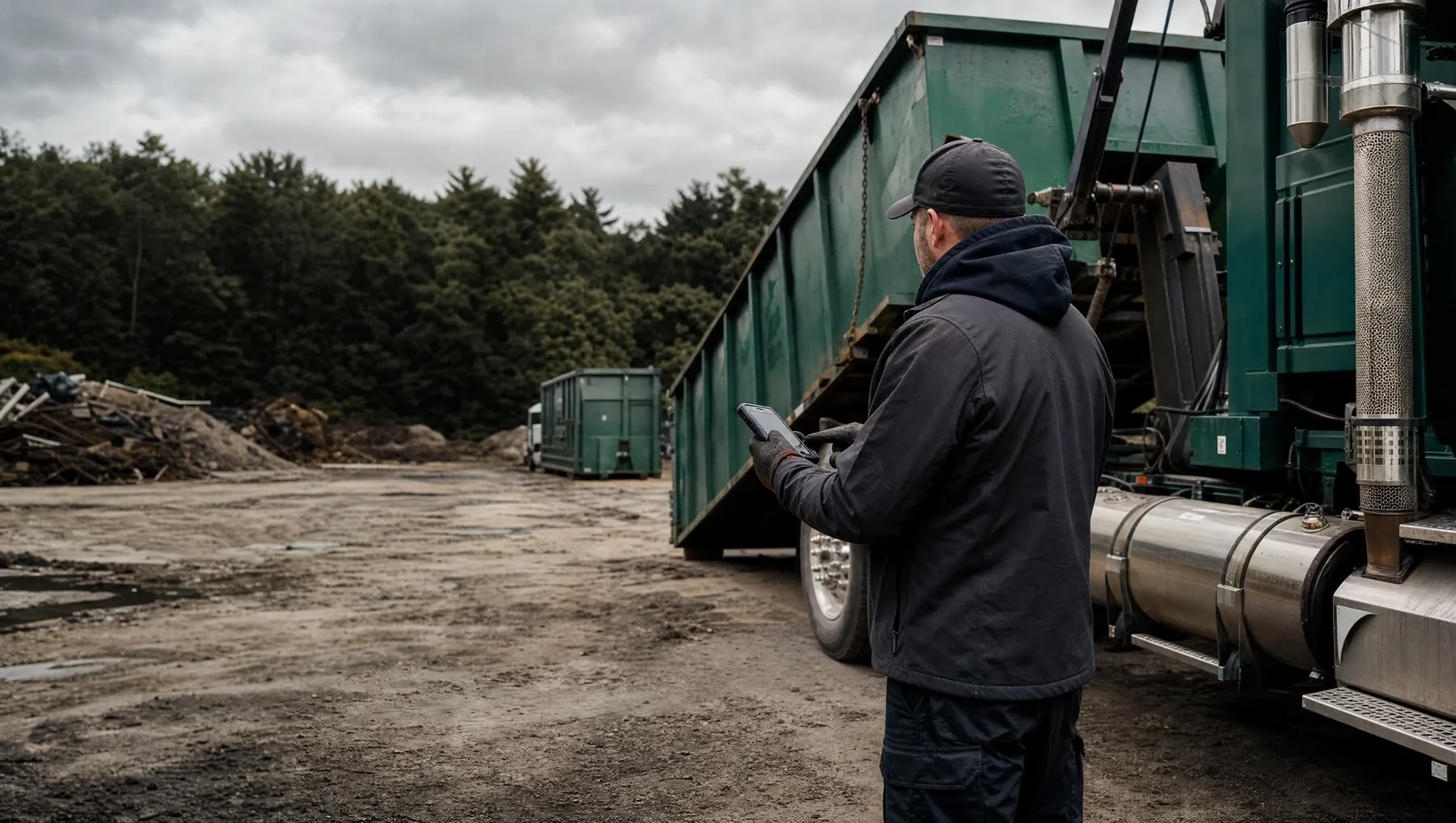
Driver cab context for Haultro in-field speech intelligence workflows

Speech intelligence

Provider-ready speech workflows with an explicit activation gate.

Twilio and ElevenLabs contracts, consent controls, structured records, latency evidence, and Haultro tool-call boundaries are built. Live calling and transcription require configured provider accounts and sandbox acceptance.

01Configured Twilio account receives call or cab audio
02Configured Scribe Realtime transcribes live speech
03A customer-approved, contracted LLM provider interprets intent and runs permitted Haultro tool calls
04Configured ElevenLabs Voice responds in the operator brand voice
05Scribe batch enriches recordings with diarization, entities, and PII redaction
Live captureAI receptionistSub-150ms realtime STT target

Answers inbound calls, captures consent, qualifies the job, runs dynamic pricing, books the work, sends SMS follow-up, and escalates to a human when the call leaves the script.

SpeakerCSR / Intake
IntentBook pickup
GuardrailConsent + price band
RecordJob + SMS follow-up
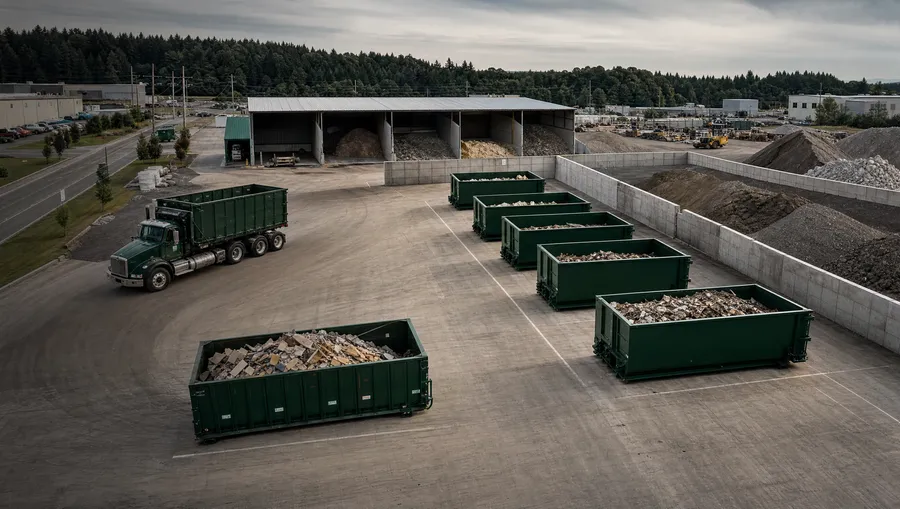
Waste fleet yard showing trucks and containers connected to Haultro operations data

Real-world meets real-time

Every truck, bin, ticket, and stop becomes live operating data.

Sensors, GPS, telematics, proof of service, disposal tickets, and weights flow into one operating layer, so the physical operation and the software finally see the same thing. Use your existing hardware now; Haultro-branded IoT sensors are planned for beta in Q3 2026 and general availability in Q1 2027.

Operating signal layerLive
  • FleetProvider GPS, ELD, engine healthLive route state
  • DriverPhotos, signatures, weightsProof-ready billing
  • ContainersFill readings, custody, history24/48/72h forecast
  • DisposalTickets, weights, contaminationRoute-level margin
IntakeDispatchServiceBill

Live fleet & telematics

See your fleet, live.

Accepted-provider truck positions, engine records, ELD hours, digital vehicle inspections (DVIR), and DOT status on every truck, with proof of service from the driver app flowing straight into billing.

Explore fleet telematics
HaultroFleet telematics · driver appRepresentative UIFieldLive
Accepted-provider viewIllustrative tenant records
Cadence varies by provider
Location feedProvider cadenceConnected
HOS remaining6h 12mWatch
Engine temp198FNormal
InspectionRecordedReady
UnitDriverRouteSpeedStatus
T-07N. AlvarezNE district24 mphOn route
T-12M. ReedIndustrial0 mphSLA risk
T-03K. PatelDowntown31 mphOn route
T-18J. KimYard0 mphPM due
HaultroSmart bins · predictive fillRepresentative UIMLLive
Sensor command340 assets monitored
24 / 48 / 72 hour forecast active
AssetSiteFillETAAction
#4471Maple & 5th92%26hRoute tomorrow
#3120Cedar yard74%3dHold
#5582Dock 458%5dSkip
#7740North retail81%2dWatch

Predictive fill analytics

Predict the overflow, not the complaint.

Machine learning forecasts container fill 48 to 72 hours out from sensor and pickup history, so you service the bin before it overflows, and skip the ones that are still empty, without adding a truck.

Container & asset tracking

Profitability analytics

Know which routes make money.

Haultro tracks revenue and cost to the route, truck, and customer, then flags the routes running at a loss and recommends the fix, like merging low-density stops, before the quarter closes.

Explore analytics
HaultroRevenue ops · SLA + billingRepresentative UIDailyLive
Order-to-cash queueVerified work ready to bill
Updated after route closeout
Auto-billed98.6%
AR aging$8.4k
Credits pending3
Stripe payouts$14.9k
ProofSLACreditInvoicePayment
AI margin action

Route 12 is below cost. Merge 3 low-density stops into Route 7 to recover about $680/week.

ClientServiceProofAmountStatus
Oak Ridge RetailCommercial pickupPhoto + weight$480Ready
Mesa BuildersRoll-off swapScale ticket$1,280Review
Parkside HOARecurring routeSLA met$940Ready
North YardDisposal overageTicket #8842$620Ready

Solutions by business type

Built for the way your operation runs.

One platform, configured for your business. From a single junk-removal truck to a regional waste company running hundreds, Haultro fits the routes, containers, and billing you actually run.

All business types

Why Haultro

Purpose-built beats general-purpose.

HaultroGeneric FSMLegacy hauler
Built for waste & fleet ops Yes, end to endGeneric field serviceYes, but dated
AI route optimization Continuous, fill + landfill awareBasic or noneStatic routing
Container & fill tracking Registry + predictive fillNoneLimited
Fleet telematics + ELD/DOT Adapters built; activation requiredAdd-onRarely
Billing from proof of service AutomaticManual re-entrySeparate system
Modern UX + onboarding Built; rollout scope variesVariesWeeks to months
Review the methodology

Proof

Modeled routes. Representative outcomes.

Haultro is built to connect dispatch and routing through billing and disposal, with the AI command center rolling trucks and bins up to one operating view. The figures below are representative modeled targets, not named customer results, and the methodology page explains what sits behind each one.

See customer outcomesHow figures are calculated
Reviewable
Constraint-aware route plans
Built in
Missed-stop roll-forward
99.9%
Availability target, not history
Provider-gated
Truck-location freshness

FAQ

Questions, answered.

What is Haultro?

Haultro is Trunnion AI-powered waste management and fleet software. It unifies route optimization and dispatch, provider-backed GPS fleet telematics, container tracking, driver workflows, customer self-service, billing, disposal and weight tracking, predictive fleet maintenance, and profitability analytics. Provider connections and native app-store distribution require separate activation.

Who is Haultro for?

Two audiences. Operators: junk removal, roll-off and dumpster rental, residential and commercial hauling, recycling, portable sanitation, and fleet managers. Enterprise: franchise operators, multi-location, and regional waste companies that need roll-up reporting across sites.

How is Haultro different from generic field-service or legacy hauler software?

Haultro is purpose-built for waste operations and AI-native: routing, fill prediction, and dispatch are optimized continuously rather than configured once. It puts waste and fleet in one platform instead of bolting a telematics tool onto a separate billing system, with modern UX and fast onboarding.

Does Haultro reduce fuel costs and missed pickups?

Haultro can generate reviewable stop sequences from recorded fill levels, capacity, time windows, and disposal context. A healthy configured mapping provider can add traffic for supported route sizes. Any savings must be measured against the customer's own baseline; Haultro does not guarantee a percentage.

Does it work with my existing telematics?

Haultro implements adapters for Samsara, Geotab, Verizon Connect, and Motive. Each connection requires the customer provider account, credentials, consent, plan eligibility, and sandbox acceptance before data is live.

Get started

Stop guessing. Start hauling smarter.

Book a demo tailored to your fleet, your routes, and the business you run.

Book a demoExplore the platform

Necessary technology is always active because it provides security and remembers this choice.